
Total thyroid removal may raise temporary hypoparathyroidism risk
Study finds those who have thyroid cancer may also be at risk
Written by |
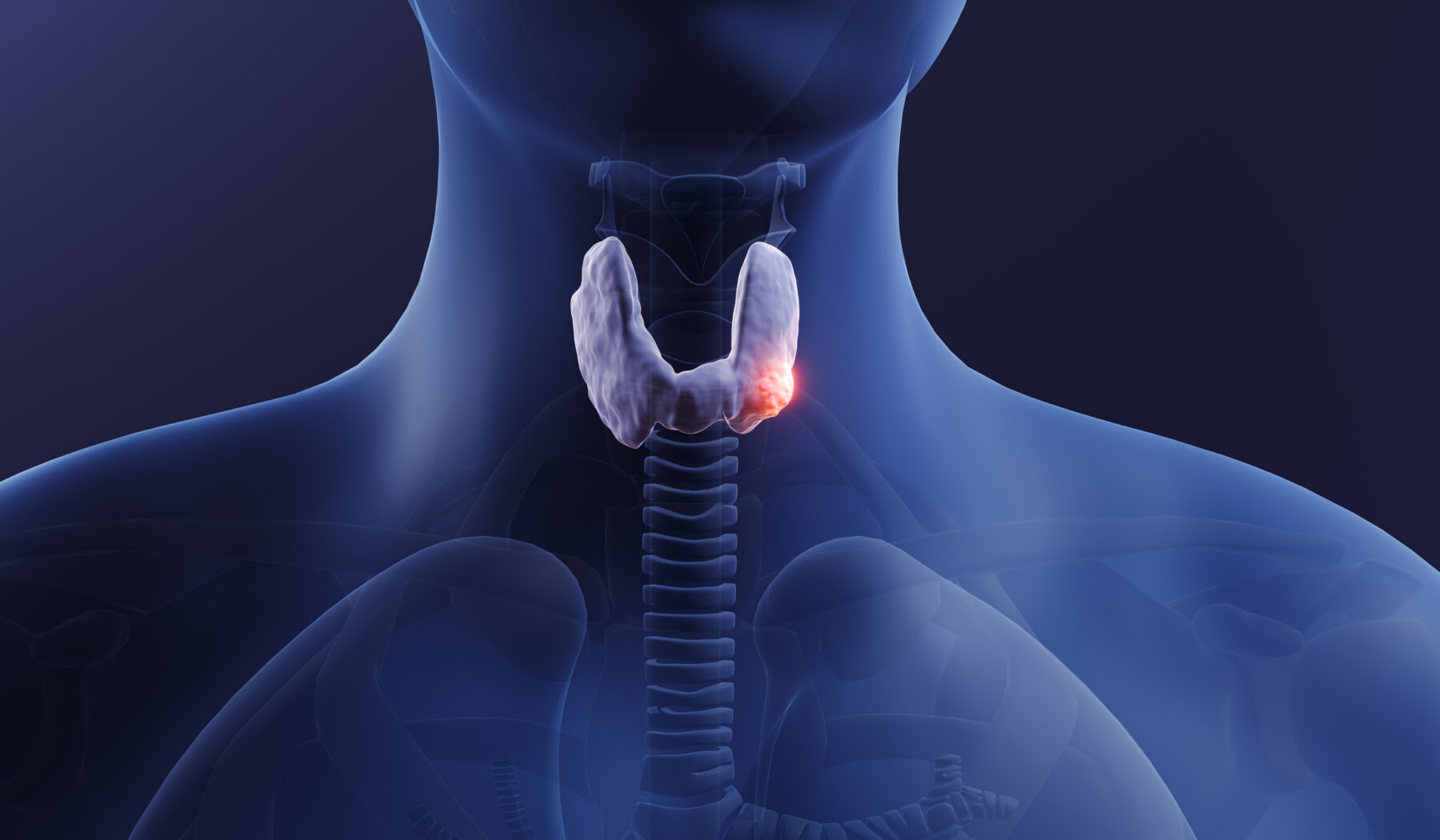
People who undergo total thyroidectomy and those with thyroid cancer may have a higher risk of developing temporary hypoparathyroidism after surgery, a study found. (Photo from iStock)




People who undergo total thyroidectomy, or surgery to remove the entire thyroid gland, and those with thyroid cancer may have a higher risk of developing temporary hypoparathyroidism after surgery, a study found.
The findings also suggested that males and people with higher levels of the parathyroid hormone (PTH), the hormone found at low levels in people with hypoparathyroidism, may have a lower risk of developing the condition.
The results were described in a Letter to the Editor, titled ”A meta-analysis of risk factors for perioperative transient hypoparathyroidism after thyroidectomy,” published in the Asian Journal of Surgery.
Males less likely to develop hypoparathyroidism after thyroidectomy
Hypoparathyroidism is marked by a shortage of PTH, which is produced by the parathyroid glands and helps regulate the levels of calcium and phosphorus in the body.
Because the parathyroid glands are located close to the thyroid, they can be damaged during thyroid surgery. As a result, the body does not produce enough PTH, leading to low blood levels of calcium and hypoparathyroidism symptoms, such as muscle cramps and spasms, unusual sensations, and neurological issues.
In this study, researchers in China conducted a meta-analysis, which pools results from multiple studies to assess an overall effect, to identify factors associated with temporary, or transient, hypoparathyroidism as a result of thyroidectomy. The analysis included 11 observational studies, a type of research in which individuals are observed or certain outcomes are measured, but no treatment is given.
In five studies assessing the influence of sex, males were 18% less likely to develop hypoparathyroidism after thyroidectomy than females.
High quality [formal studies] with large sample size should be conducted in the future.
Three studies assessed the extent of surgery. The analysis found that people who underwent total thyroidectomy were 65% more likely to experience hypoparathyroidism than those who underwent partial thyroidectomy, when only a portion of the thyroid is removed.
In four studies examining the relationship between disease status and hypoparathyroidism, people without thyroid cancer were 35% less likely to develop hypoparathyroidism after surgery than those who had cancer. Also, in three studies assessing the impact of PTH levels, people with higher PTH levels were 17% less likely to develop hypoparathyroidism than those with low levels of this hormone.
Study limitations included short follow-up periods and the fact that patients were not randomly assigned to different groups, which, according to the research team, decreases the robustness of the results.
“High quality [formal studies] with large sample size should be conducted in the future,” the team wrote.


Leave a comment
Fill in the required fields to post. Your email address will not be published.