
Hormone treatment tied to long-term kidney function improvements
Trial data link Yorvipath to gains sustained up to 5 years
Written by |
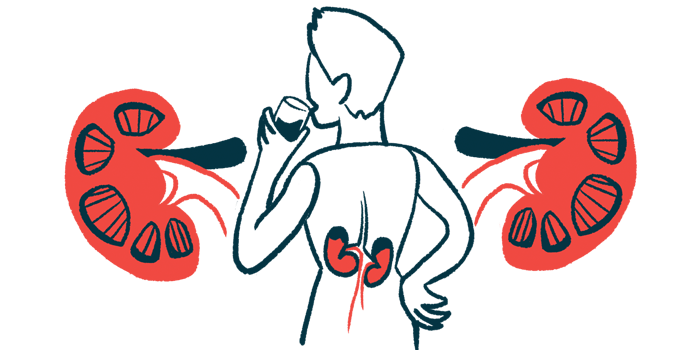




Treatment with Yorvipath (palopegteriparatide) was associated with early improvements in kidney function that were sustained for up to five years in adults with hypoparathyroidism, according to new data from two clinical trials.
The pooled analysis of the Phase 2 PaTH Forward trial (NCT04009291) and the Phase 3 PaTHway study (NCT04701203) also found that the treatment led to lower urinary calcium levels and normal blood calcium amounts, with almost all participants able to stop taking active vitamin D supplements and reduce their calcium intake.
The findings were shared in a poster presented by Elvira Gosmanova, MD, a professor at Albany Medical College, at the American Society of Nephrology’s Kidney Week 2026, held last month in Denver. Ascendis Pharma, the company marketing Yorvipath, funded the study.
“These groundbreaking improvements in renal function underscore the unique ability of [Yorvipath] to replicate the systemic and balanced actions of endogenous [parathyroid hormone] across multiple target organ systems,” Aimee Shu, MD, executive vice president and chief medical officer at Ascendis, said in a company press release.
Hypoparathyroidism is marked by insufficient levels of parathyroid hormone (PTH), which helps regulate calcium and phosphate levels in the body. Low PTH leads to abnormally low blood calcium and hypoparathyroidism symptoms such as muscle cramps, tingling, and seizures, as well as longer-term complications that can affect the kidneys and other organs.

Once-daily injection
Conventional treatment typically involves calcium and vitamin D supplements to maintain blood calcium levels. However, they do not replace the missing PTH and may contribute to high calcium levels in urine, known as hypercalciuria, which can increase the risk of kidney complications.
Yorvipath is a once-daily injection approved for adults with hypoparathyroidism. It is designed to be a source of PTH throughout the day, helping restore the hormone’s effects on calcium regulation and reduce patients’ reliance on conventional supplements.
The PaTH Forward and PaTHway trials enrolled a total of 141 adults, 139 of whom received at least one dose of Yorvipath. A total of 129 completed their final trial visit, with follow-up extending to approximately five years in PaTH Forward and 3.5 years in PaTHway.
Kidney function was assessed with the estimated glomerular filtration rate (eGFR), a measure of how effectively the kidneys filter waste and extra water from the blood. Higher eGFR values generally indicate better kidney function.
The pooled analysis found statistically significant increases in mean eGFR from baseline (study start). After one year, 68.9% of participants had an eGFR increase of at least 5 mL/min/1.73 m2 (square meters), considered clinically meaningful, while 49.6% had a minimum increase of 10 mL/min/1.73 m2. Kidney function then remained stable through the end of follow-up.
From one to five years, the mean annual change in eGFR was 0.28 mL/min/1.73 m2, indicating that the initial improvements were sustained over the long term. Participants whose eGFR was lower than 60 mL/min/1.73 m2 at the start of treatment, indicating impaired kidney function, showed greater increases in this metric than those with higher baseline values.
The analysis also found that 24-hour urinary calcium levels fell from 396 mg/day at baseline to 206 mg/day after six months, and 170 mg/day at one year. These reductions were sustained through the end of the trials.
At the final visit, 98% of participants were no longer taking active vitamin D, and 95% were taking no more than 600 mg of calcium supplements daily. Mean blood calcium increased to 8.9 mg/dL, within the normal range, and 88% of participants had normal albumin-adjusted blood calcium levels at the final assessment.
The results add to findings reported earlier this year from the PaTHway trial and its extension. That analysis also found reductions of patient-reported symptoms, and improvements in kidney function, bone health, and health-related quality of life.
In both trials included in the new analysis, Yorvipath was generally well tolerated, with no new safety signals identified. Most treatment-emergent adverse events were mild to moderate.
“We are pleased to showcase these benefits of [Yorvipath] showing simultaneous improvements across key measures that include maintained normal serum [blood] calcium, decreased urine calcium, and sustained increases in eGFR, while enabling independence from conventional therapy,” Shu said.



Leave a comment
Fill in the required fields to post. Your email address will not be published.